Corded vs. Cordless Pool Robots: Compare the Whole Cleaning Routine
Compare cable routing, battery charging, retrieval, controls, and storage to choose a pool robot power system that fits your routine.


Corded or cordless isn't really about which one cleans better. It's about the chore each one hands you. A corded robot needs a safe spot for its power supply and a cable you keep from tangling; a cordless one needs a charging spot and someone to lift it out after every cycle. Picture a whole cleaning day with each before you pick a side.
Affiliate disclosureAs an Amazon Associate we earn from qualifying purchases made through links on this page. Commissions never change our ratings.
Start with the layout around the pool
Short answer The useful difference between corded and cordless pool robots is the work each power system asks you to do.
Draw the available outlets, walking routes, gates, and storage areas. Mark where children, guests, and lawn equipment normally pass. Then place a hypothetical power supply or charging station according to the candidate manual. If that location is inconvenient, resolve the layout before deciding that the cleaner is suitable.
Maytronics warns that its Dolphin power supplies are splash-proof rather than waterproof and advises against extension cords in its getting-started guidance.[4] That example makes outlet placement a buying condition, not an afterthought. Do not generalize one manufacturer distance to every cleaner; use the exact US manual and obtain qualified help when the proposed electrical setup needs changes.
Understand what a cable changes
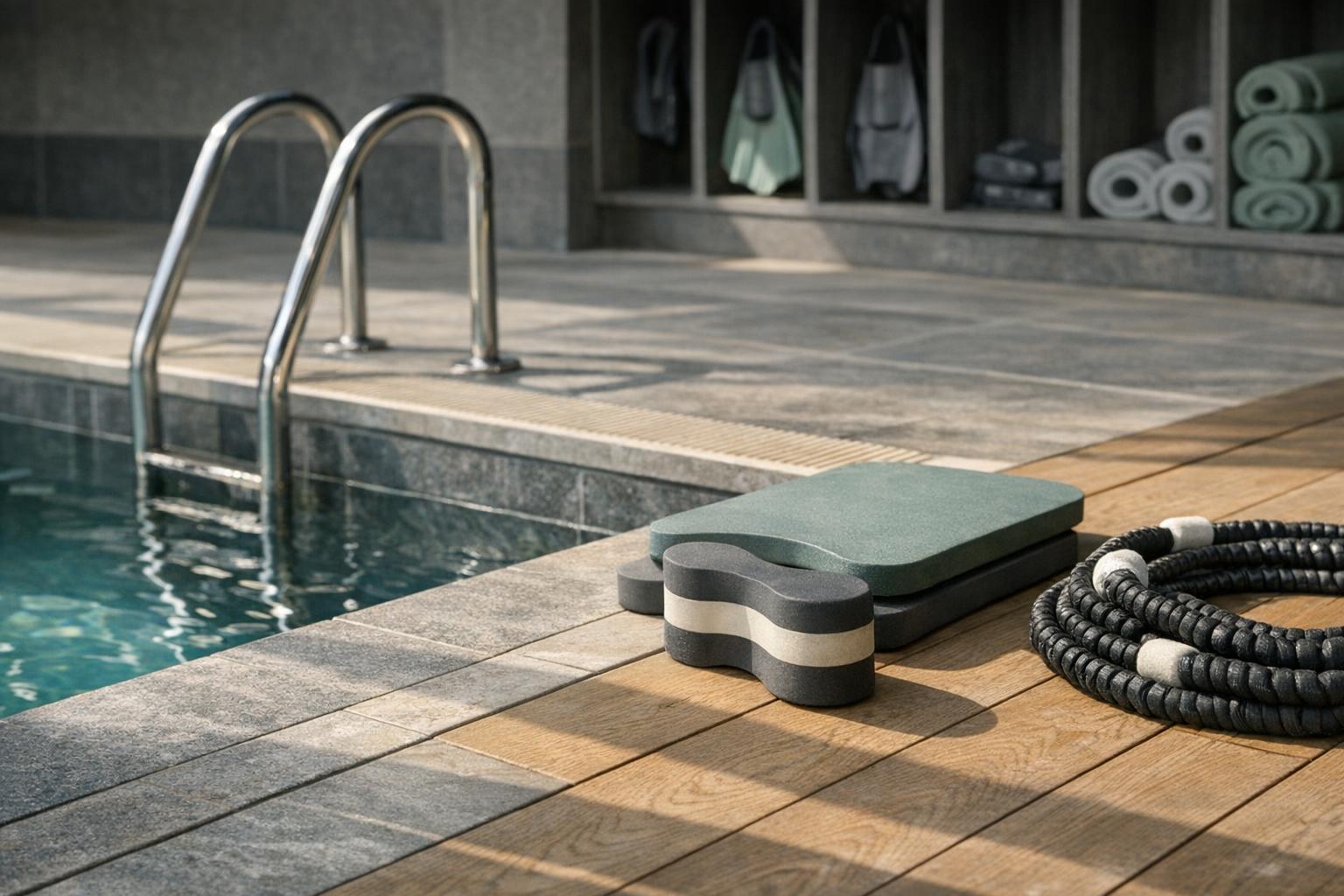
A cable gives you a physical connection to manage during deployment, operation, and storage. Consider the route from the supply to the water, the length needed for the pool, and where the spare cable will sit. The relevant comparison is whether that routine fits your space, not whether a photograph makes the deck look tidy.
Our cable care guide walks through a repeatable approach. During evaluation, observe whether the cleaner reaches the required areas without pulling its connection taut. Record problems before deciding a swivel or different cleaner will solve them. Cable behavior alone is not proof of a failed motor or poor navigation.
Understand what a battery changes
A cordless cleaner replaces the operating tether with a charging dependency. Work backward from when you need the pool ready: when can cleaning start, when can the robot be removed, and who can put it on charge? Check the manufacturer cycle and charging instructions without treating a maximum runtime claim as a guaranteed result in every mode.
Battery care also belongs in the ownership plan. Aiper specifies genuine charging equipment for its Scuba S1.[8] Do not assume another adapter is suitable because the connector fits. Read our charging and storage guide before placing a charging station in a convenient but undocumented location.
For an above-ground pool, the battery often wins: you lift the robot over the rail after each cycle anyway, and there is no cable to drape over the side or outlet to find near the water. Our ranking of the best cordless above-ground pool vacuums only includes robots whose listing states above-ground use.

Compare retrieval rather than just mobility
- A cordless machine still has to leave the water.
- Ask how you recover it if the normal pickup feature is unavailable.
- Is a hook supplied?
- Does it need a separately purchased pole?
Can your household reach the intended pickup point? Check this with the exact cleaner and pool layout instead of relying on a generic product video.
For corded equipment, distinguish moving a stopped cleaner into reach under its instructions from lifting it by its cable. The Maytronics MTC8-UNI manual explicitly says not to lift the robot from the water by the cable.[2] Evaluate handles, drainage, footing, and the route to storage for either design.
Treat scheduling and app features separately
Do not infer a control feature from the power system. Make a separate list of essential controls: selecting floor-only cleaning, starting a cycle, reading errors, or arranging a recurring routine. Then check which actions work locally, which need a phone, and what the manual says about communication when the cleaner is underwater.
Run through a hypothetical missed session. If someone forgets to charge the battery or disconnects the supply, how will you notice? A reminder in your household calendar may solve a routine problem more reliably than buying features you do not understand. The comparison should reflect who actually maintains the pool, including a family member who does not use the app.
Choose with two realistic weekly scenarios
Write one scenario for ordinary maintenance and another for a busy or stormy week. Include deployment, filter cleaning, retrieval, and putting the cleaner away. Estimate your own handling time, clearly labeled as a planning assumption. Avoid invented electricity savings, battery replacement intervals, or repair costs when no exact data supports them.
Return to the complete buying checklist if the choice still feels close. Prefer the option whose constraints you can consistently meet. Corded operation may fit a well-positioned outlet and established storage routine; cordless operation may fit a deck where a tether is inconvenient and recharging is manageable. Those are household tradeoffs, not a performance ranking of every machine.
Include the person who will use the cleaner most often in the decision. Have them walk the route from storage to the water and describe the steps they would need help with. Compare those observations with your own assumptions. A power system that seems convenient to the buyer can create a burdensome routine for someone else, particularly when the storage area, charging location, and practical retrieval point are far apart.
| Topic | What this guide says |
|---|---|
| Understand what a battery changes | A cordless cleaner replaces the operating tether with a charging dependency. |
| Compare retrieval rather than just mobility | A cordless machine still has to leave the water. |
| Treat scheduling and app features separately | Do not infer a control feature from the power system. |
| Choose with two realistic weekly scenarios | Include deployment, filter cleaning, retrieval, and putting the cleaner away. |
Our rated picks
Done reading and ready to look at real robots? These are the three best-rated picks of our best pool robots ranking, scored on buyer ratings, review volume and specs.


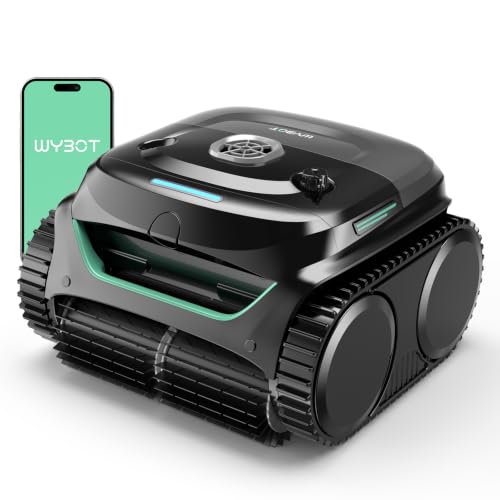
Product images: Amazon listings
Sources and further reading
- Maytronics MTC8-UNI User Instructions 8152080
- Maytronics: Get started with your Dolphin
- Aiper Scuba S1 Battery Care and Long-Term Storage